AI materials science figure generator

Draft materials, device, and processing figures

Describe the composition, layers, interfaces, processing sequence, and measured property. SciFig creates a visual draft for materials-science review.

Choose a materials science starting point

Replace generic materials, phases, dimensions, and properties with values and terminology verified in your study.

0/2000

Generation needs an account — compose your prompt, then sign in to generate.

Multiple AI models

GPT Image 2, Nano Banana, Seedream 5, Flux 2 Pro and more — pick the right one per figure.

Up to 4K export

Render at 1K, 2K or 4K for print-ready manuscript output.

Text & sketch to figure

Start from a prompt, or refine a rough hand-drawn sketch.

Free to start

Free account in seconds — every figure is saved to your private history.

AI materials science figure generator

Materials science visual structures to explore

These AI-generated examples show visual hierarchy only. Verify phases, lattice geometry, interfaces, dimensions, transport direction, and performance data.

Materials science workflow

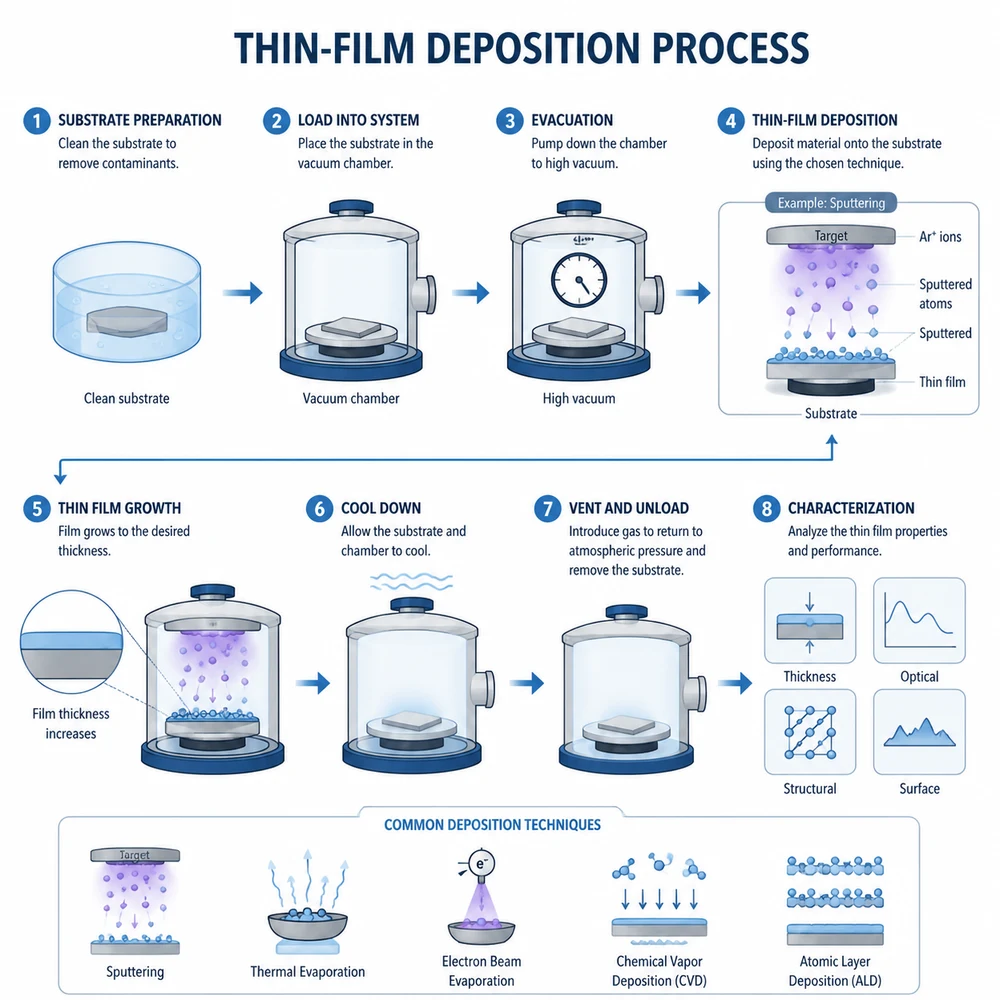
Connect composition, structure, process, and property

AI-generated thin-film deposition process illustration1

Declare each length scale

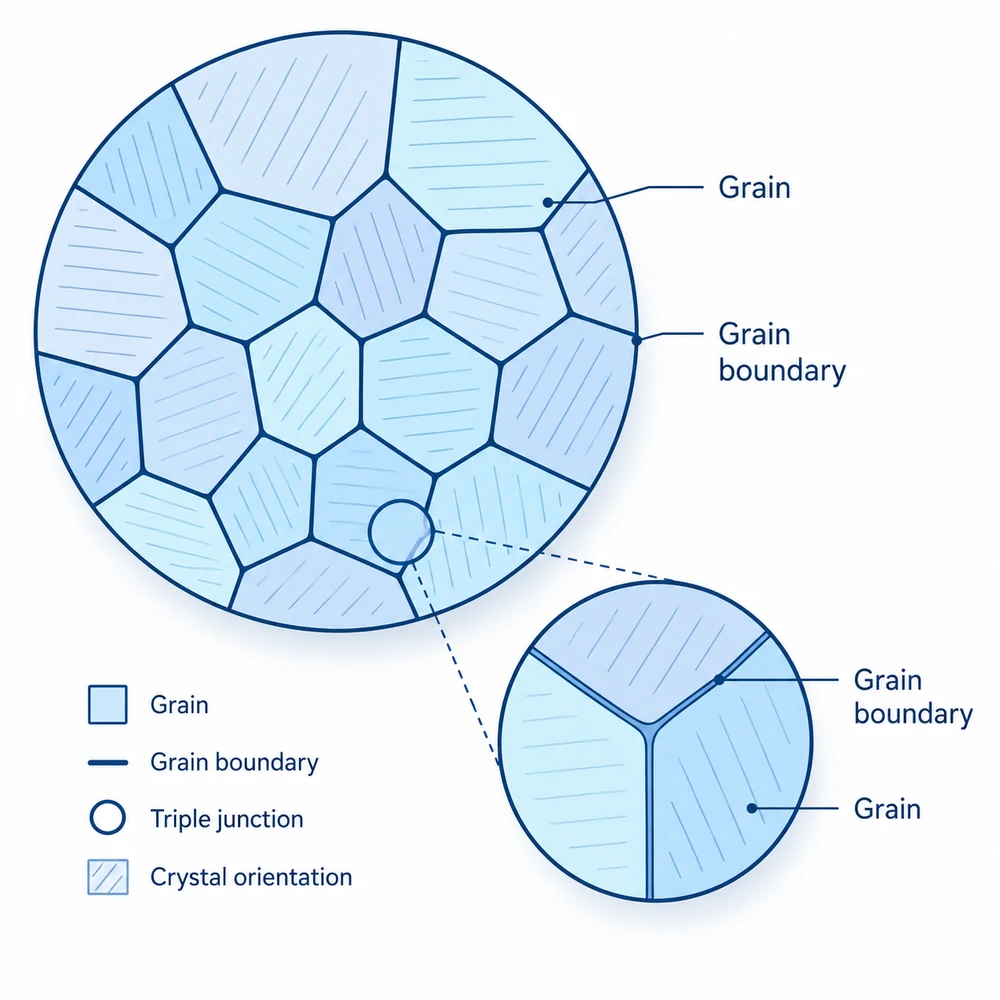
Separate atomic lattice, nanoscale feature, grain, film, component, and complete device. Use inset boundaries and scale labels so readers do not interpret a conceptual transition as a continuous physical view.

  • Name composition, phase, orientation, and interface
  • Mark schematic views as not to scale
  • Use source microscopy for observed morphology
  • Keep crystal axes and device axes distinct
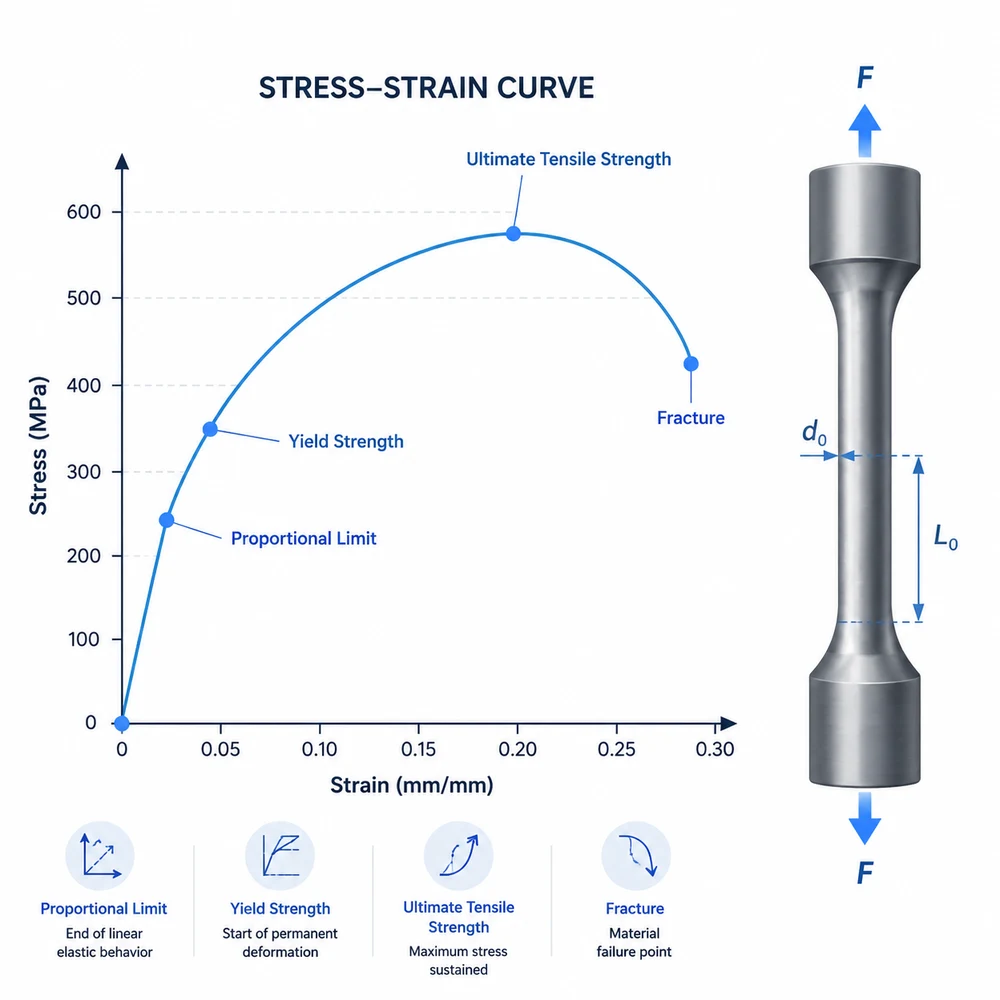
AI-generated stress-strain testing curve illustration2

Show processing without inventing conditions

Organize synthesis, deposition, heat treatment, patterning, and assembly as a controlled sequence. Insert verified temperatures, times, atmospheres, and dimensions only from laboratory records.

  • Check every label and scientific term
  • Verify arrows, structures, and causal relationships
  • Compare the draft with the source data or manuscript
AI-generated material microstructure grain illustration3

Represent structure-property evidence honestly

Distinguish measured correlation, proposed mechanism, simulation result, and established causal effect. Performance curves, diffraction patterns, microscopy, and fitted parameters must come from source data.

  • Confirm dimensions, file format, and resolution
  • Review the target venue's AI-use policy
  • Complete a final expert review before use

Generated lattices, phases, and performance are not evidence

Models can invent crystal geometry, defects, interfaces, processing conditions, transport paths, and property values. Verify the draft against characterization, calculations, design files, and laboratory records.

Materials science figure generator questions

Create a materials science figure draft

Define the scale, composition, interfaces, process, and verified property before generating.