
1. Read the journal guide
- Deliverable
- A written specification and policy note
- Quality check
- Exact journal, article type, dimensions, format, and AI rule confirmed
- Common failure
- Relying on a generic publisher preset
Practical workflow guide
A graphical abstract is not a decorated paper summary. It is a focused visual argument that helps a reader understand one evidence-based take-home message quickly.
Read the target journal guide, define one message, map the evidence, choose a reading path, draft the composition, verify every scientific element, and export only after a final policy and technical check.
On this page
Treat each step as a review gate. Skipping the journal-policy check or scientific review creates more risk than any visual improvement can fix.
This workflow is educational, not an approval to submit AI-generated artwork. The exact journal author guide, editorial instructions, and current AI policy are the final authority.
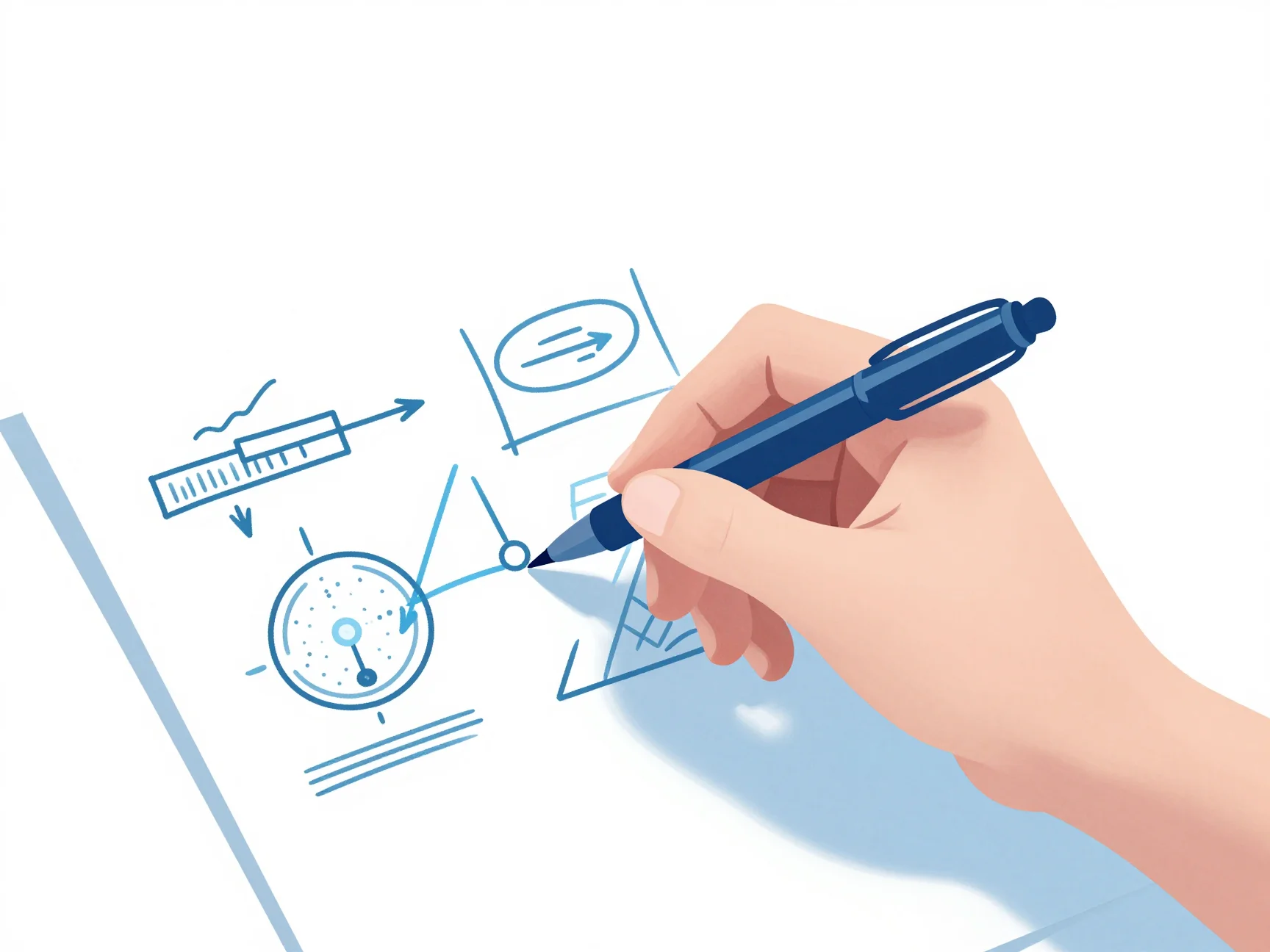
First record the target journal requirements. Then write the main supported conclusion in one sentence and list only the entities, conditions, methods, and outcomes needed to understand it. Mark whether each relationship is observed, inferred, or hypothetical so the visual language does not overstate the evidence.

Use left-to-right or top-to-bottom flow for sequential work, a central mechanism for interaction networks, or matched panels for comparisons. Start in grayscale to test hierarchy, then add a small, accessible color system. At final display size, labels, arrows, and boundaries must remain distinct.

Compare every label, structure, direction, scale, and claim with the manuscript and underlying data. Ask a coauthor who understands the methods to review the image without coaching. Confirm that icons, fonts, photos, and third-party assets are licensed for publication and properly attributed where required.
Check the current author guide again immediately before export. Dimensions, DPI, accepted formats, disclosure rules, and AI policies may have changed. Elsevier currently prohibits general-purpose generative AI tools for graphical abstracts, so a SciFig concept must not be treated as submission-ready for an Elsevier journal.
AI can help explore internal composition ideas, but generated output can contain scientific errors and rights issues. Never upload confidential manuscripts, identifiable patient information, or unpublished source images without an approved data-handling basis. Recreate critical content with permitted tools and disclose AI use whenever the journal requires it.
Use a verified one-sentence message to create an internal draft, then complete the scientific, rights, and journal-policy review.
Draft a graphical abstract concept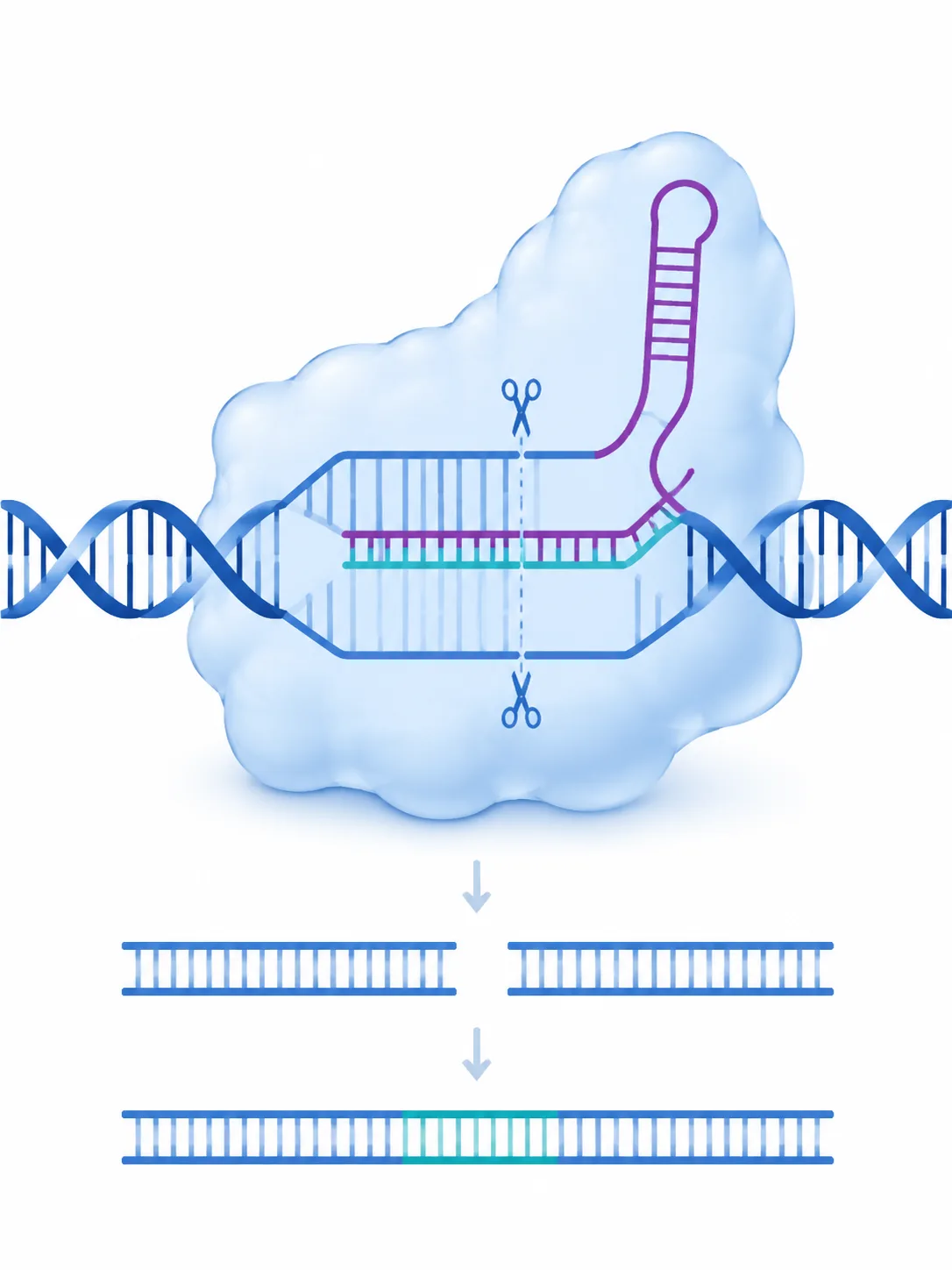
Compare four information structures and their review risks.
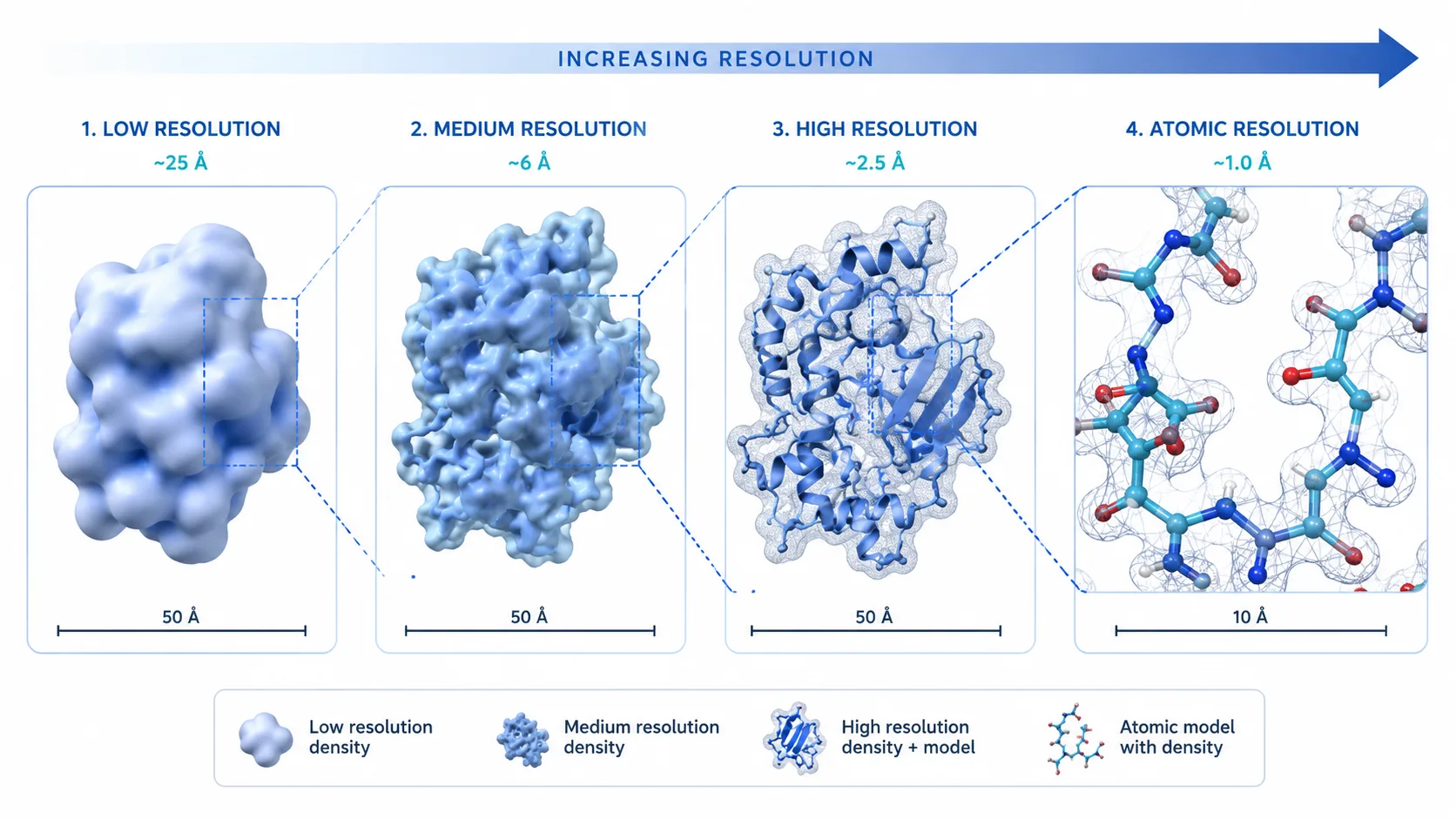
Check publisher examples, pixels, DPI, and file formats.
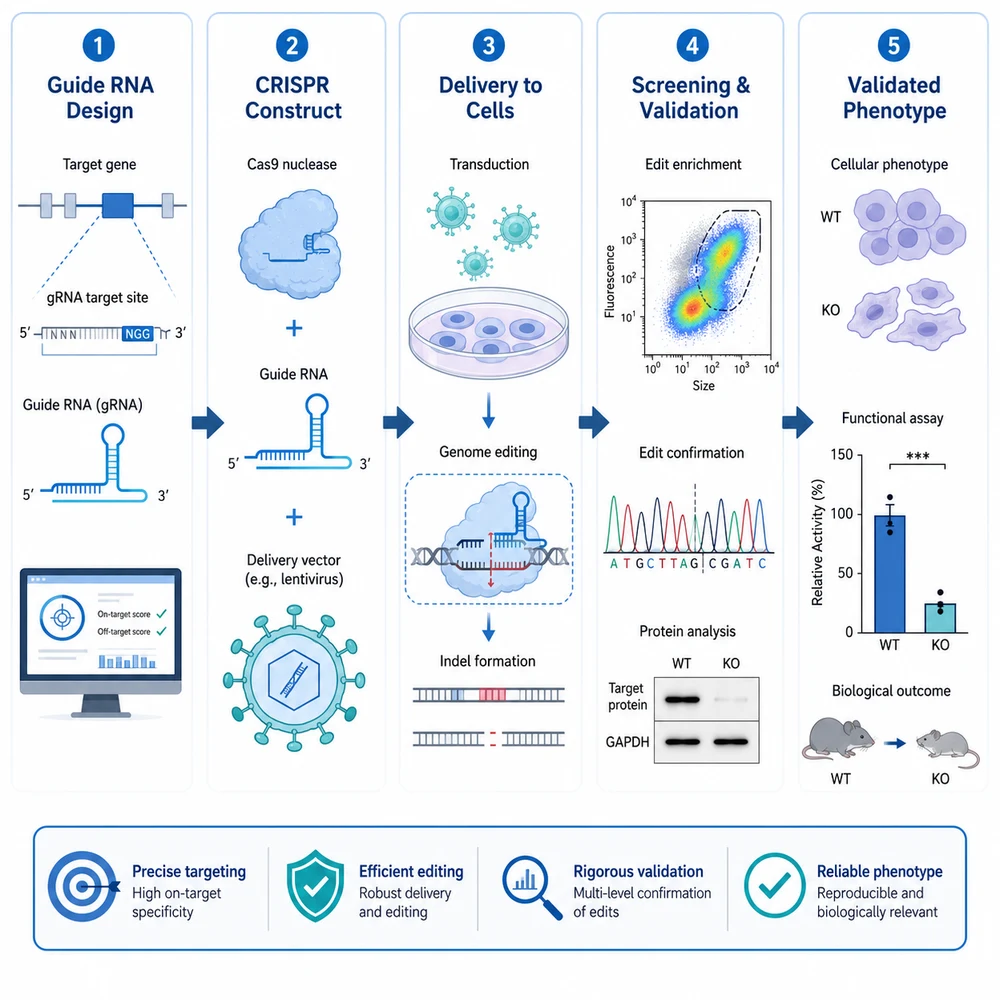
Explore an internal composition from a structured research story.
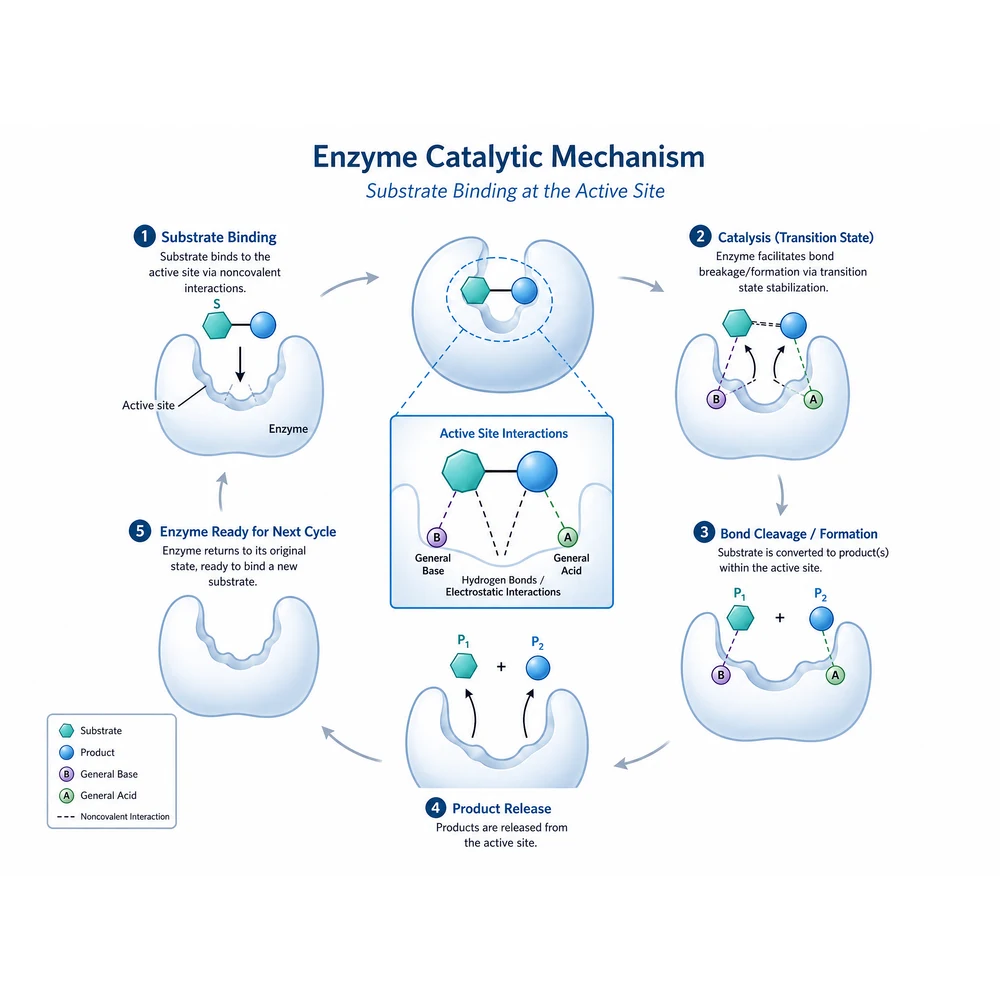
Reflow a finished figure into a column, banner, cover or square proportion.
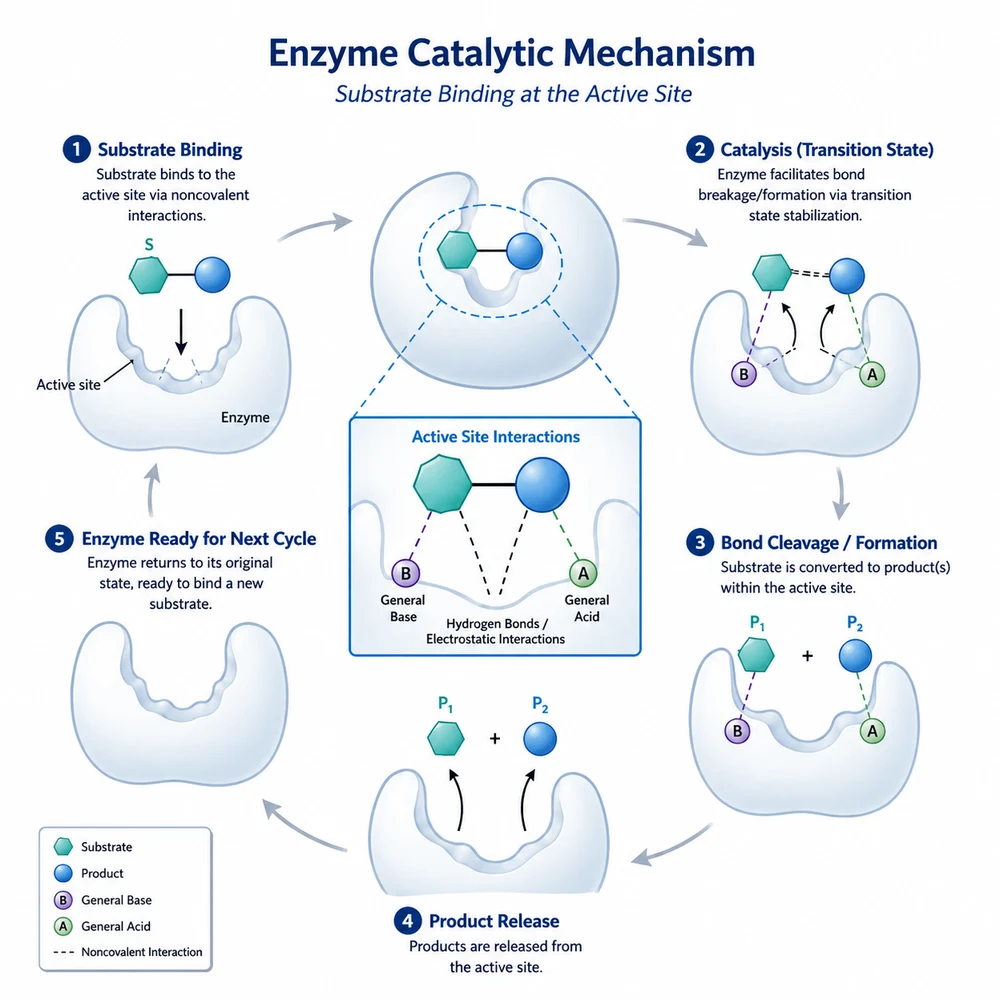
Replace a cluttered background with a uniform white, gray or black ground.
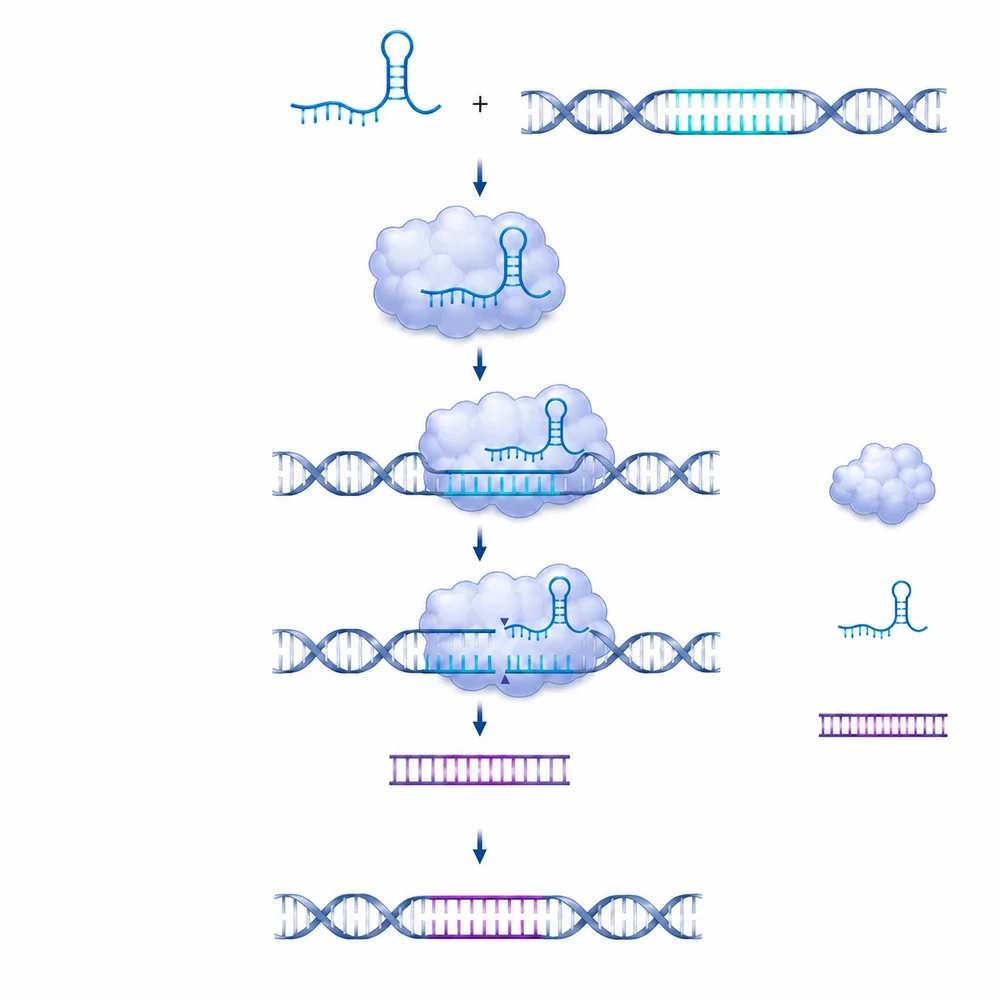
Remove text labels, panel letters, watermarks, arrows or a scale bar.